DyslexiaAndADHD
Can you be number dyslexic?
People often call number difficulties “number dyslexia”. Here is why dyslexia and dyscalculia are not the same, and where to look for a useful next step.
Can you be dyslexic with numbers? People often use “number dyslexia” when maths feels unexpectedly difficult. Dyslexia can make some number-related tasks harder, but dyscalculia is a distinct difficulty involving numbers and quantities. The phrase alone cannot tell you which applies. If reading or spelling is also difficult, our signs of dyslexia in adults guide gives you a wider starting point.
The useful answer is not simply yes or no. Maths difficulties can have different causes, and dyslexia and dyscalculia can occur together. Let’s separate the terms before looking at everyday examples.
Wait… isn’t dyslexia just about words?
That’s what we were all told, right?
Reading. Writing. Spelling like a toddler with a broken keyboard.
But here’s the deal - dyslexia isn’t limited to letters. It can absolutely mess with numbers too.
The British Dyslexia Association explains that maths difficulties have different causes. Dyscalculia particularly involves understanding numbers and quantities. The everyday tasks below are examples of things people may find difficult, not a checklist that diagnoses either condition:
-
Time
-
Sequences
-
Directions
-
Basic maths
-
Calendars
-
Even understanding how money works sometimes
So yeah - numbers and dyslexia? Definitely a thing.

Why is dyslexia and numbers such a tough combo?
Here’s what I’ve learned on my journey (and heard from so many others):
1. Numbers are symbols too
Working with numbers involves recognising symbols, understanding their meaning and keeping track of steps. The British Dyslexia Association describes how dyslexia can affect maths learning, including working memory and sequencing. Here are some tasks that can take extra effort:
-
Recognise the symbol (like a 6 or a 9)
-
Know its meaning
-
Keep it in sequence
-
Hold it in working memory
And for some of us? That process feels like herding cats. Blindfolded. On a trampoline.
If you’ve ever flipped a 6 and a 9, or written your phone number backwards - you’re not alone.
2. Working memory… not so ‘working’
A lot of us with dyslexia have patchy working memory. That’s the short-term brain RAM that lets you hold info in your head while you do something with it.
Like trying to do 45 + 37 in your head…
But by the time you’ve added the 5 and the 7…
You’ve forgotten the 30-something from before.
Relatable?
This shows up everywhere. From mental maths to remembering PIN codes to just trying to read the damn time on an analogue clock.
3. Sequencing = Chaos
Numbers are all about order. Step-by-step. Logic.
Keeping a sequence in order can take extra effort for some people with dyslexia. It does not mean every dyslexic person has the same difficulty.
We see this with letters (hello, spelling errors). And we see it with numbers too:
-
Mixing up digits (52 instead of 25)
-
Losing place in a long equation
-
Struggling to remember steps in the right order
Ever followed a recipe and added the eggs after baking the cake? You get the idea.
4. Time blindness and dyslexia? Yep.
If you’ve ever said, “Was that last Tuesday or three months ago?” - you’re not broken, you’re just wired differently.
I also talk about losing track of time, especially where ADHD is part of the picture. People sometimes call this time blindness; “time dyslexia” is not a separate diagnosis. Examples someone might notice include:
-
You’re always early. Or always late. Never in between.
-
Estimating how long something takes? Forget about it.
-
Reading a calendar feels like decoding the Da Vinci code.
And don’t get me started on time zones.
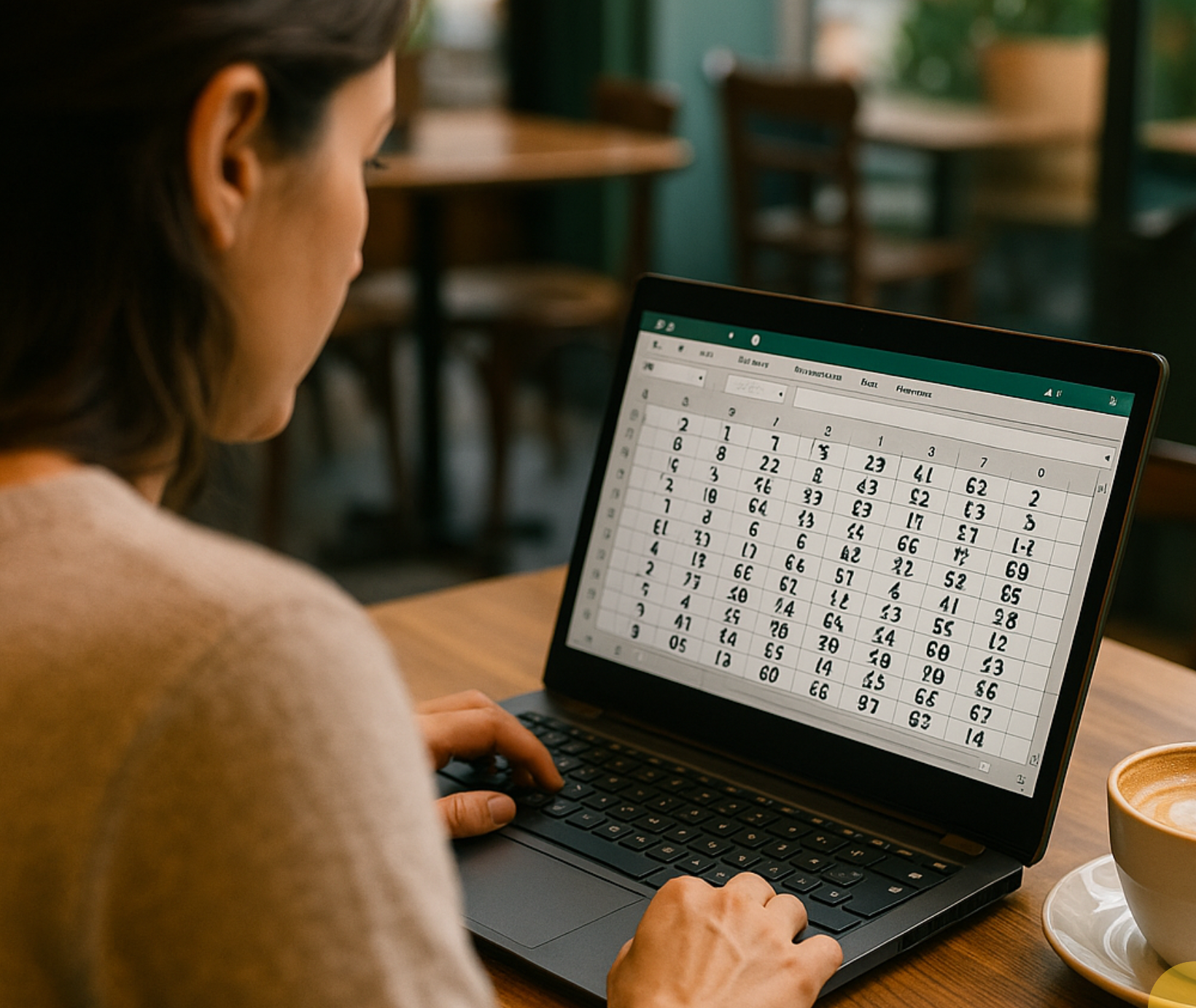
Dyslexia and dyscalculia are not the same
To be clear - this isn’t a formal diagnosis in itself.
Dyslexia with numbers doesn’t mean you have dyscalculia.
But it does mean that numbers - especially in written, visual, or structured forms - can be just as tricky as reading or spelling for a lot of us.
And most of us never got told this growing up.
I know I didn’t.
Instead, I was called lazy. Disorganised. A smart kid who just didn’t try hard enough.
Classic story, right?
So what can you do if this is you?
Here’s a few real-life tricks I’ve learned (usually the hard way):
-
Use tools. Calculators, calendars, clocks, apps - if it helps, use it. Screw the “you should just know this” brigade.
-
Write it down - always. Don’t rely on memory for anything number-based. If it’s not written, it’s gone.
-
Chunk it up. Break numbers into smaller bits. Visualise them. Turn them into stories if you need to.
-
Visual timers and alarms. Help anchor your brain in reality. Digital clocks don’t always cut it.
-
Compassion > Perfection. You are not stupid. You are not slow. You are a beautifully wired problem-solver navigating a system that was never built for you.
Final thoughts
Can you be number dyslexic?
Your difficulty with numbers deserves to be taken seriously. That does not mean a label like “number dyslexia” can explain the cause on its own. Understanding the pattern and choosing suitable support is more useful than blaming yourself.
And the more we talk about it - the more we bring it into the light - the more we start seeing solutions instead of shame.
So if you’ve ever struggled to calculate a tip, write your phone number properly, or manage a budget without a mini meltdown - I see you.
Your brain’s just doing its thing. And that’s okay.
💬 Want to go deeper?
If reading or spelling is also a challenge, you might find it helpful to reflect on your wider experience.
Want a starting point for reflecting on reading, spelling and everyday experiences? The free adult dyslexia quiz is an educational reflection tool, not a diagnostic test. It cannot identify dyscalculia or confirm dyslexia. If number difficulties are your main concern, read our guide to adult dyslexia assessment and ask an appropriately qualified assessor about maths difficulties too.
I talk more about this kind of stuff on the podcast - real talk for real people with dyslexia, ADHD, and everything in between.
If this post helped, give it a share. Or better yet - send it to someone who needs to know this is a thing.
Keep exploring
Recognise some of this?
Take the free quizSee which adult dyslexia traits feel familiar.
This short quiz is educational and gives you a useful next step.
Keep exploring this topic