



Truth About Dyslexia podcast
Fear Setting: A Way to Untangle Worries with Dyslexia and ADHD
What if you gave your worries a bit of structure? This episode explores fear setting, a way to examine what could go wrong and what you could do about it.
Listen to this episode
Fear Setting: A Way to Untangle Worries with Dyslexia and ADHD
Follow the podcast and keep the next episode close.


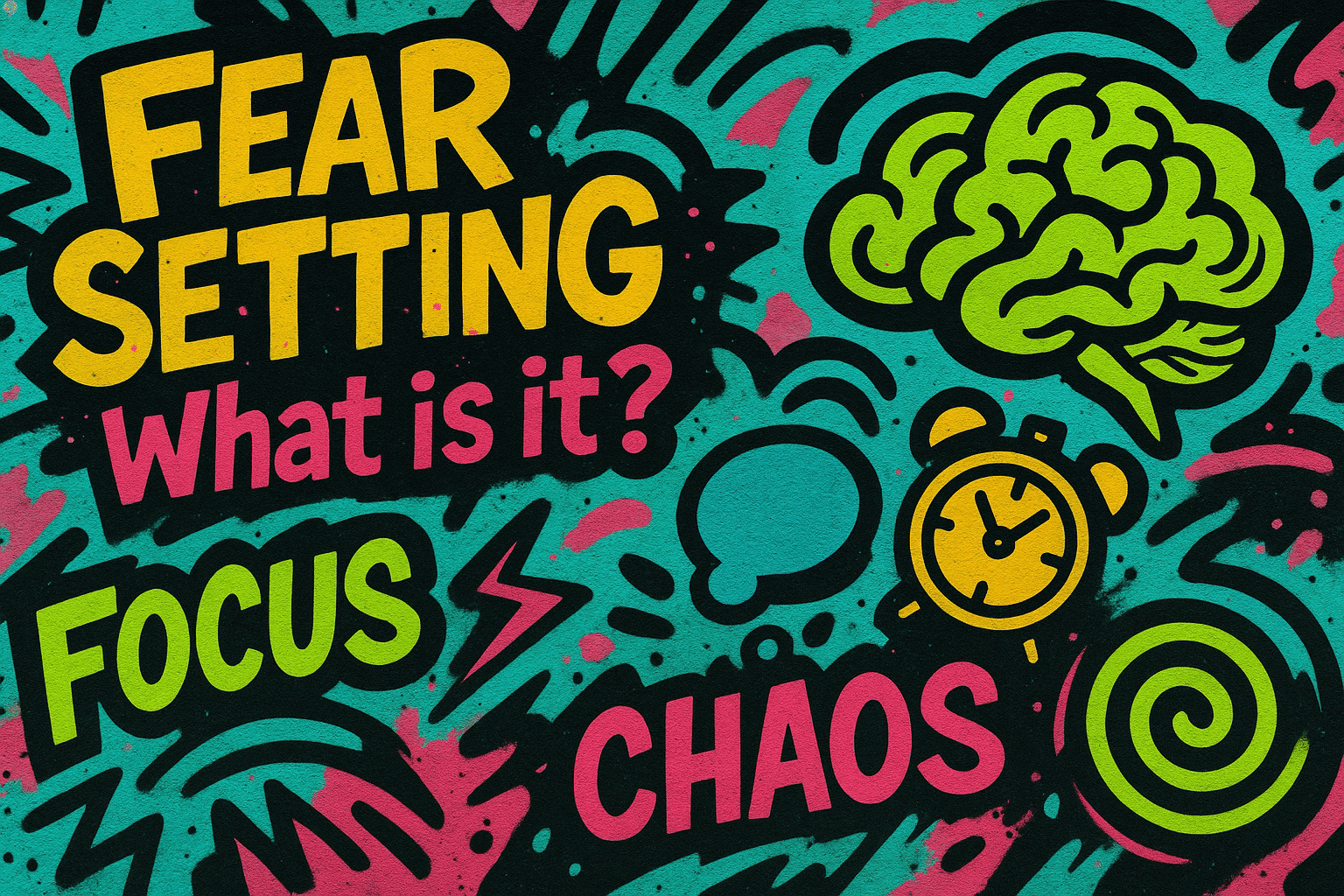
What is fear setting, and how is it different from goal setting? It is an exercise popularised by Tim Ferriss: define what worries you, consider how you could prevent it and think about how you would respond if it happened. In this podcast, I explore the idea through a dyslexia and ADHD lens. It is a reflection tool, not a treatment for anxiety.
I’ll share the story of how I came across Fear Setting and why I think it’s especially powerful for the ADHD and Dyslexic community. If you’ve been feeling stuck or uncertain about your next step, this might be the approach you’ve been looking for.
Discovering Fear Setting
The first time I heard about Fear Setting was during a late-night search. I stumbled upon a talk by Tim Ferriss that caught my attention. I was instantly hooked by the idea that we can map out what scares us instead of letting those fears run wild in our heads.
Fear Setting is like goal setting, except you write down your worst-case scenarios, what you can do to prevent them, and how you’d pick yourself back up if they happened. It flips the script on fear by putting you in the driver’s seat.
Why It Speaks to ADHD and Dyslexia
When you have ADHD or Dyslexia, it’s easy to feel overwhelmed. Our brains can spin with endless possibilities, often overshadowed by anxiety about what might go wrong. Fear Setting helps by slowing down that mental race. You look at your fears directly, which can be surprisingly calming.
Another perk is that it encourages reflection. Many of us with ADHD or Dyslexia jump from idea to idea. Fear Setting brings focus and helps you see priorities clearly, because you’re forced to sort through what’s actually scaring you.
Putting Fear into Perspective
Let’s be honest, fear can grow bigger in your mind than it deserves. With Fear Setting, you ask yourself, “What’s the worst that could happen?” Your brain often realises it’s not as terrifying as you thought. Once you see this in writing, you gain the courage to move forward.
The idea is to give a worry enough structure that you can examine it:
Try naming the feared outcome, identifying a possible precaution and considering how you could respond. For the original exercise and its fuller context, see Tim Ferriss’s explanation of fear setting.
How to Practise It
Grab a piece of paper (or open a blank doc) and start listing your biggest fears around a decision or a goal you’re chasing. Then break it all down into small steps:
- Define: Name the scary scenario or outcome you’re worried about.
- Prevent: Brainstorm actions to lower the chances of it happening.
- Repair: If the worst happens, write how you’d bounce back.
This clarity can help shift your mind from panic to problem-solving mode.
So What’s Next?
Once you’ve done a Fear Setting session, you’ll see patterns or triggers. Over time, you’ll start tackling challenges with a calmer mindset. Fear loses its power when it’s dragged into the light.
If you want more details, have a search for “TED Fear Setting Tim Ferriss.” There’s a lot of good stuff online, but remember to actually try it. Reading about it is helpful, doing it changes everything.
- Fear Setting helps you face and shrink your fears.
- Great for ADHD and Dyslexia because it slows mental racing.
- Breaks fear into smaller, manageable steps.
- Encourages reflection and self-awareness.
- Leads to more confident decisions.
Curious to hear more about my personal experience and tips? Listen to the full episode at the top of this page, where I dive deeper and share real-life examples of how this simple strategy has changed my life.
Keep exploring
Recognise some of this?
Take the free quizSee which adult dyslexia traits feel familiar.
This short quiz is educational and gives you a useful next step.
Keep exploring this topic