



Truth About Dyslexia podcast
Memory, Smell And Visualisation
Ever found yourself studying something important only to forget most of it later? You’re not alone. This episode of The Truth About Dyslexia podcast dives into powerful, real-world memory tips for dyslexic minds. We start by exploring the surprising link between scent and memory, then move on to visualisation techniques that make revising far more...
Listen to this episode
Memory, Smell And Visualisation
Follow the podcast and keep the next episode close.


Ever found yourself studying something important only to forget most of it later? You’re not alone. This episode of The Truth About Dyslexia podcast dives into powerful, real-world memory tips for dyslexic minds.
We start by exploring the surprising link between scent and memory, then move on to visualisation techniques that make revising far more effective. You’ll hear how a few “simple tweaks” can make a major difference when you’re trying to memorise and recall information.
Smell as Your Secret Weapon
Have you ever noticed how a certain scent can trigger vivid memories of childhood or a special event? Our sense of smell is directly connected to parts of the brain that store emotional memories. That’s why introducing a familiar or pleasant aroma when you study can help lock in information.
It could be as easy as lighting a candle with a unique fragrance before you start revising. Then, when you smell that same scent later, you’ll recall the material more readily.
“When I catch a whiff of peppermint while studying, it brings me back to the subject in seconds.”
The Power of Visualisation
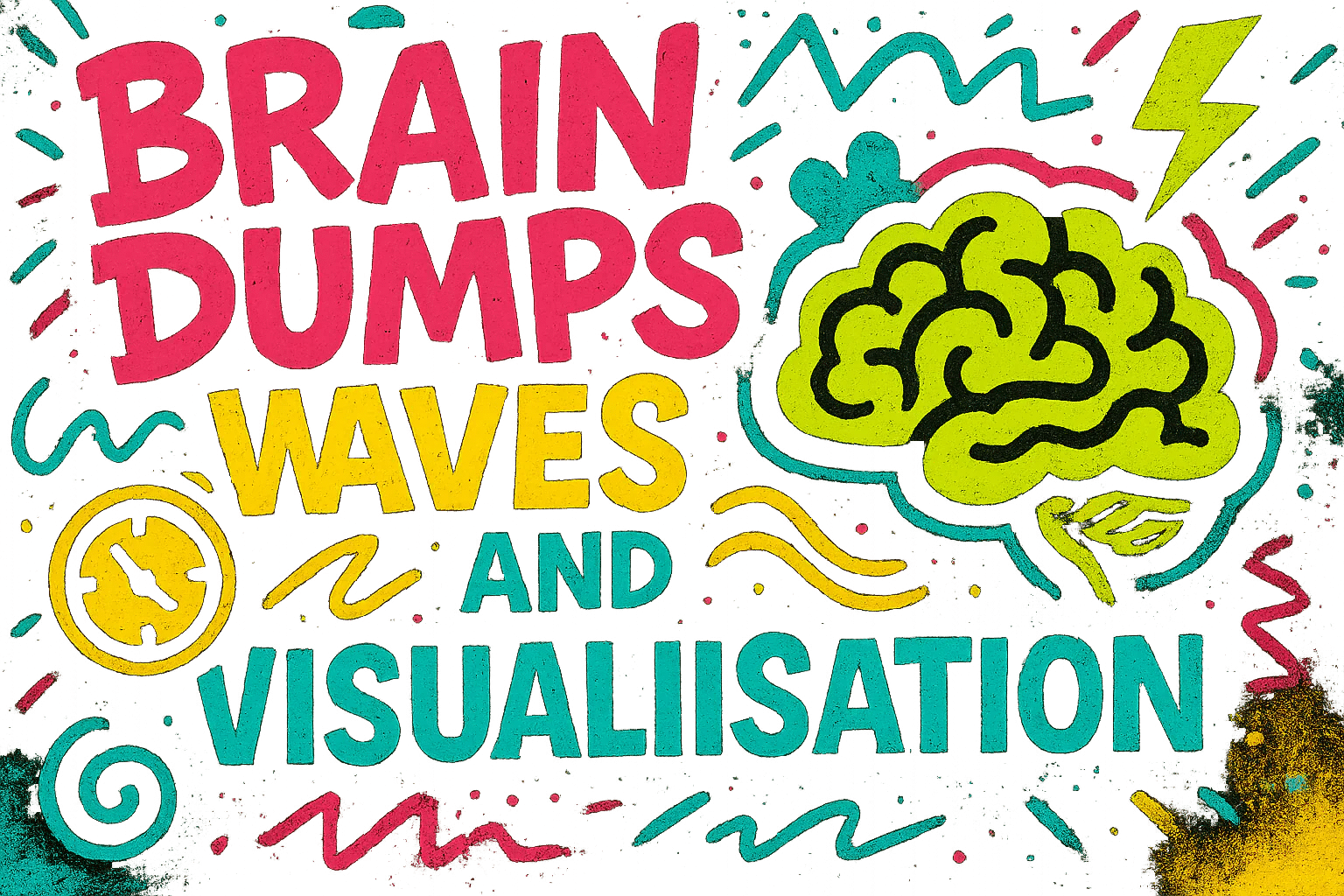
For a lot of us with dyslexia, visual cues are often easier to grasp than plain text. You can use that to your advantage by turning topics into simple mental images. Think of it like drawing doodles in your mind. If you’re trying to learn dates or formulas, imagine a silly story that connects all the pieces.
This episode outlines how seeing information as pictures in your ‘mind’s eye’ can give it a stronger emotional impact. That emotional link makes the memory stick. It’s all about using imagination to create memorable scenes.
Building a Routine
Habits matter as much as your study method. If you want these techniques to truly work, consistency is key. Set aside a regular time slot for revision. Light that candle or use that scent. Try a quick round of mental imagery to review what you learned the day before.
- Pick a specific time of day for study (mornings, after lunch, etc.)
- Use the same fragrance or essential oil, so your brain knows it’s “memory time”
- Keep the stories and images fresh and playful
Putting It All Together
This episode’s highlight is how combining smell and visualisation creates a multi-sensory learning experience. It’s not just reading and forgetting. It’s about smelling the candle, picturing that outlandish story, and feeling a sense of enjoyment and curiosity every time you revisit the material.
Dyslexia thrives on creativity. Embrace that gift and deploy it to memorise what you need.
Quick Takeaways
- Use a distinct scent to anchor new information
- Create mental pictures or mini-stories to lay down stronger memories
- Keep a consistent study schedule paired with these memory cues
- Make the process fun to boost motivation
Ready to dive deeper? Hit play on the podcast at the top of the page and discover the full story behind these methods. You’ll also hear more examples and personal anecdotes that show exactly how to make these memory tricks work for you.
Recognise some of this?
Take the free quizSee which adult dyslexia traits feel familiar.
This short quiz is educational and gives you a useful next step.
Keep exploring this topic